Dear Mayor Andrew Little and City Councillors,
I recently wrote an open letter to Mayor Andrew Little regarding the Civic Square. That letter is available on my website saveourcivicsquare.org. It was also carried on wellington.scoop.co.nz, and parts of it were reported by The Post.
While I haven’t received a response, the Council did comment on my idea in The Post article. I am writing this follow up letter to respond to their comments and raise some more questions about the Civic Square park.
In The Post article, Council spokesperson Richard MacLean commented on the idea of creating a grass park beside the Civic Square. I would like to respond to those comments, as well as to the comments section on wellington.scoop.co.nz and in The Post.
The Post article stated:
"Council spokesperson Richard MacLean said the cost of building a park permanently would exceed $5m due to existing slab and contaminated soil (due to poor-quality historical fill). That figure did not take into account lost revenue, nor were new park works budgeted for within the Long-Term Plan." From The Post, April 8th 2026
I respectfully question whether the public is being given a fair comparison between the cost of a simple green grass park and the cost of the temporary structures that Council now appears to be planning for the site.
THE CITY'S LONG-TERM PLAN:
TEMPORARY FOOD-COURT
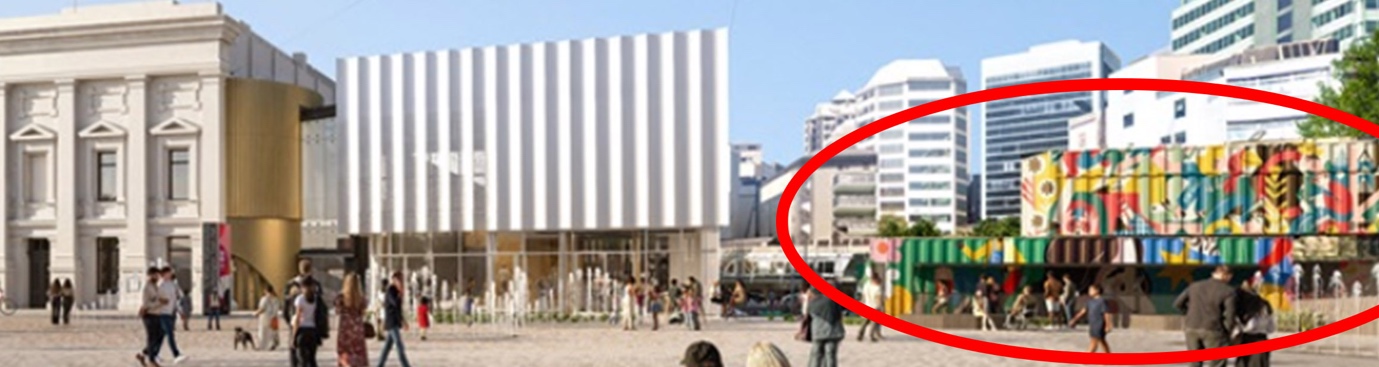
The images released by Council show what is in their long-term plan, a hospitality or food-court-style proposal that would presumably require power, water, services, safety works, access arrangements, maintenance, cleaning, security, ongoing management, and eventual removal. These structures would remain there until Precinct Properties decides to build its office tower
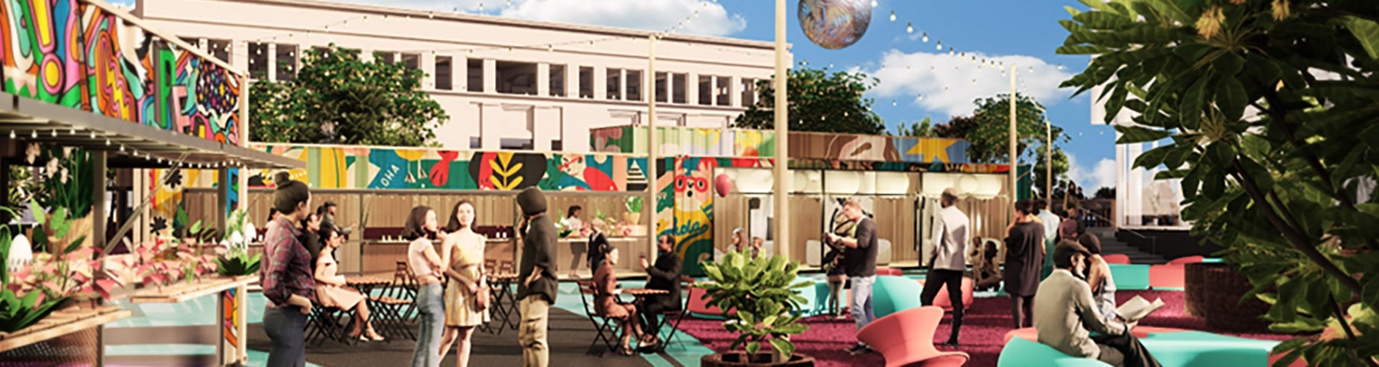
I therefore ask: what is the full cost of this temporary solution? And how does that cost compare with a simpler option, a park, made with suitable topsoil and grass over the existing slab?
I am also concerned about the effect on existing cafes and restaurants within a short walk of the Civic Square, including around Victoria Street, Willis Street, Courtenay Place, and Cuba Street. Many of these businesses have waited years for the Library and Civic Square to return to public use, and I do not understand why public land should now be used to create temporary competition for them rather than to restore an open civic space that supports the whole area.
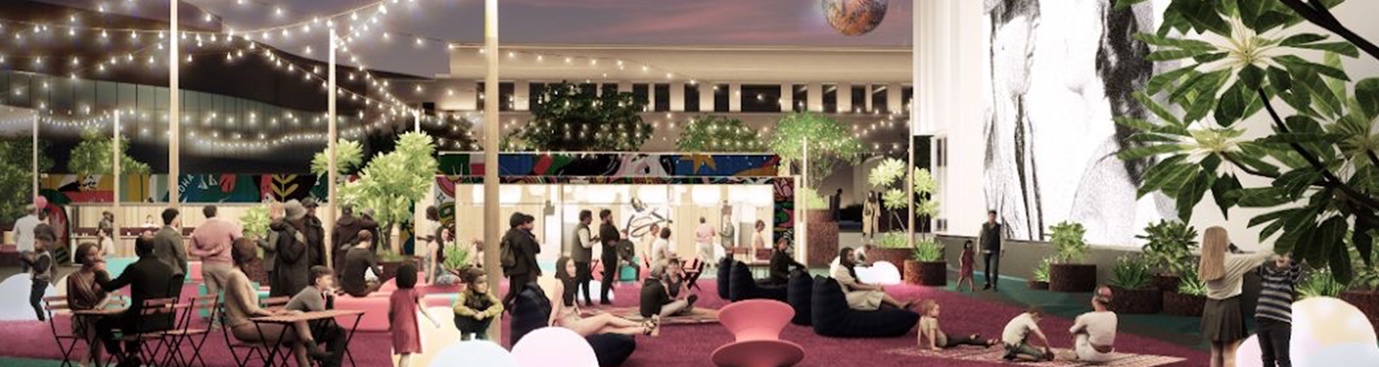
My concern is not with Council’s desire to bring music, events, and public activity back into the Civic Square. Wellingtonians are among the most creative people in New Zealand, and I believe that if allowed, they will naturally bring all of that to a simple grassed park without needing shipping containers.
Besides the budget concerns, Richard MacLean also referred to “contaminated soil due to poor-quality historical fill.” as a reason the park would be impractical. If that is the case, then the public deserves a clear explanation. What contamination has been identified? Where is it located? How does it affect the Civic Square, the Library, and surrounding buildings? The public deserves to know what’s in its backyard.
On the other hand, if the site can safely support a temporary shipping-container food court, why couldn’t it support a simpler grassed public space? It seems like the city is contradicting itself.
Richard MacLean has suggested that a permanent grass park would cost more than $5 million. However, it is not clear what makes a grassed area "permanent" rather than temporary, or why a simpler option would cost that amount. A basic grassed area, placed over the existing slab with suitable soil depth, drainage, and other basic technical requirements, may be far less costly than the permanent park he describes.
OUR NEW CIVIC SQUARE DESIGN:
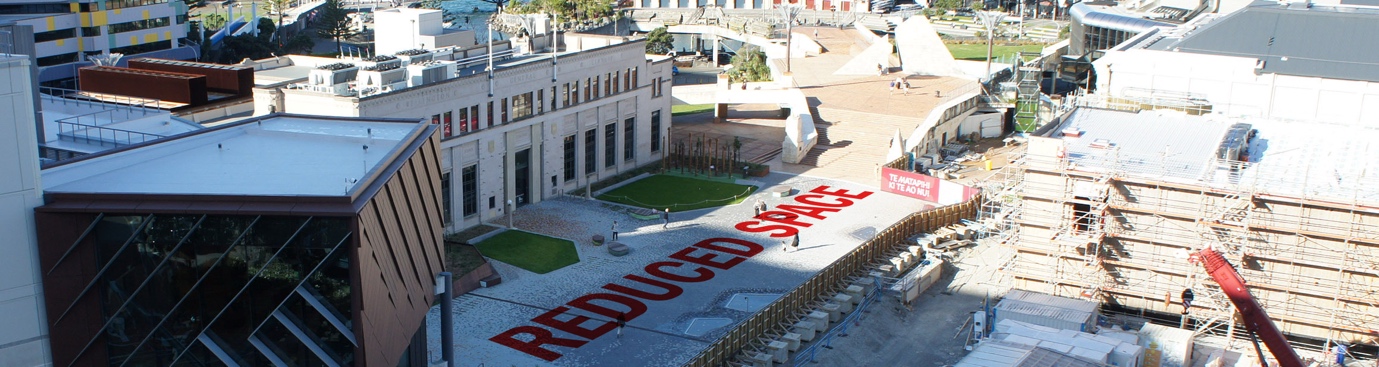
REDUCED OPEN SPACE
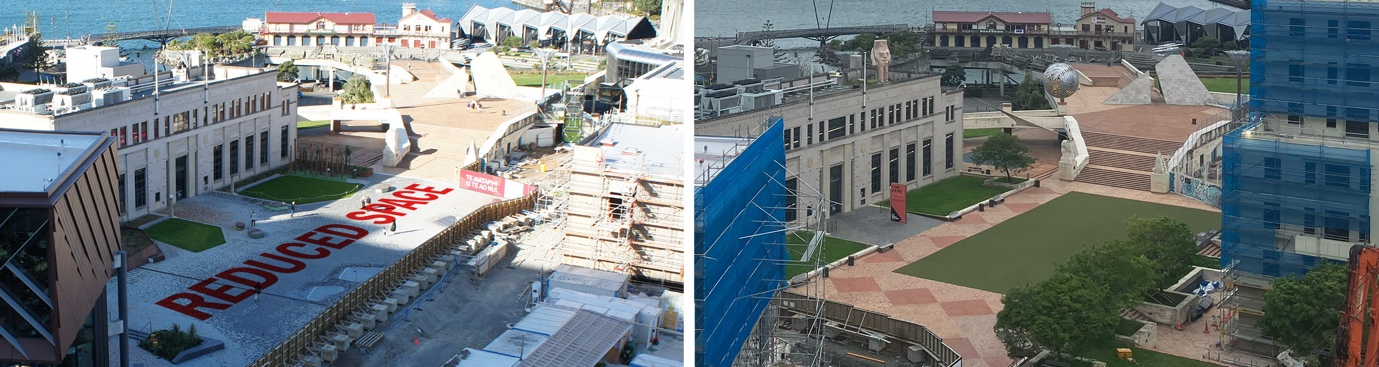
Council spokesperson Richard MacLean also stated that some of my ideas had already been incorporated into the design. I respectfully question that. Our proposal was not to add more features into the existing Civic Square.
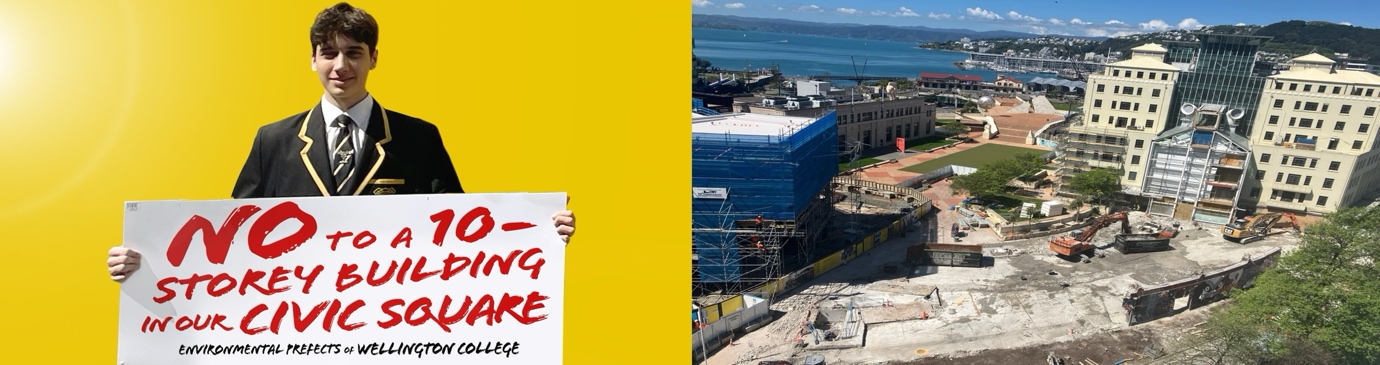
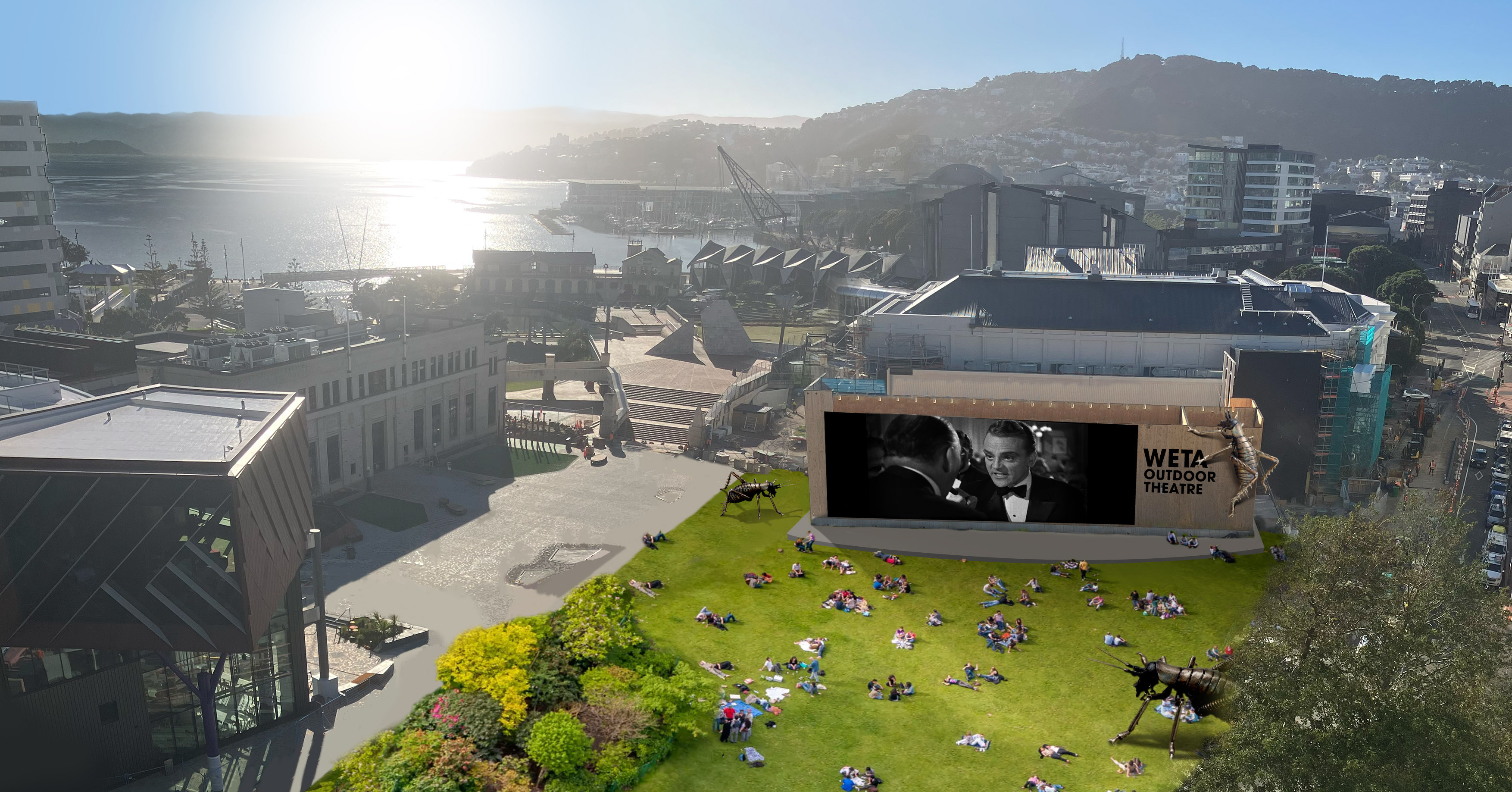
Our proposal was to create a simple grassed park on the land where the two buildings previously stood, beside the Civic Square. This is explained on my website under the page “Our First Campaign.”
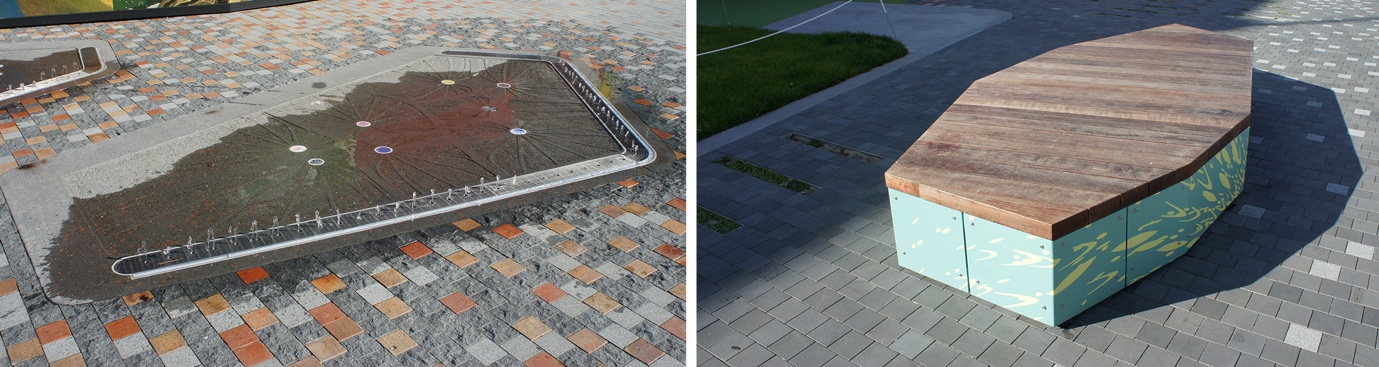
If Council has tried to absorb the idea of a park into the existing square itself, then I believe that misses the point. The Civic Square has become over-designed. With raised planted areas, very limited and awkward seating, fountains, and a narrow path through the middle, the square now has much less open space than it once had.
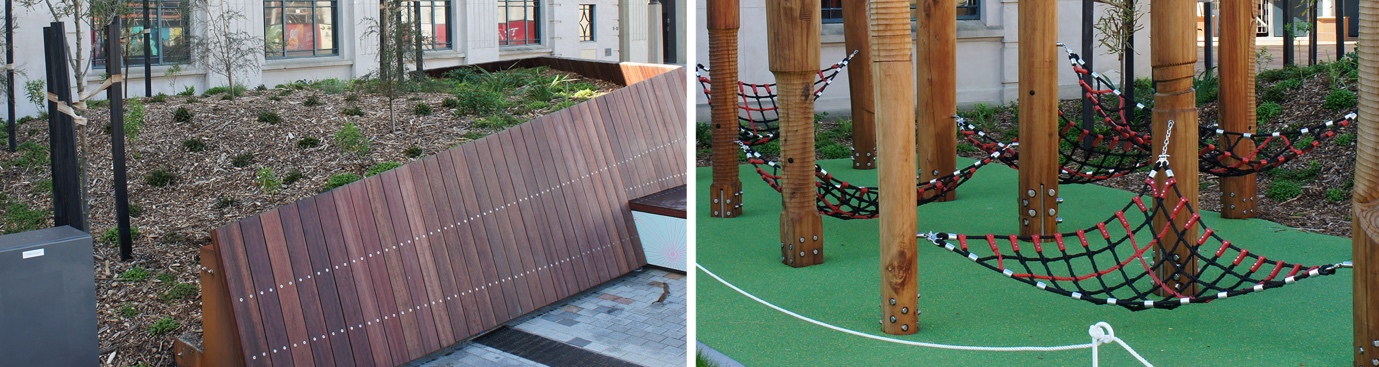
Did Council try to absorb the park idea into Civic Square itself, rather than considering open green space beside it? Taken together, these changes risk undermining the very quality that made the Civic Square valuable: open space where people can gather.
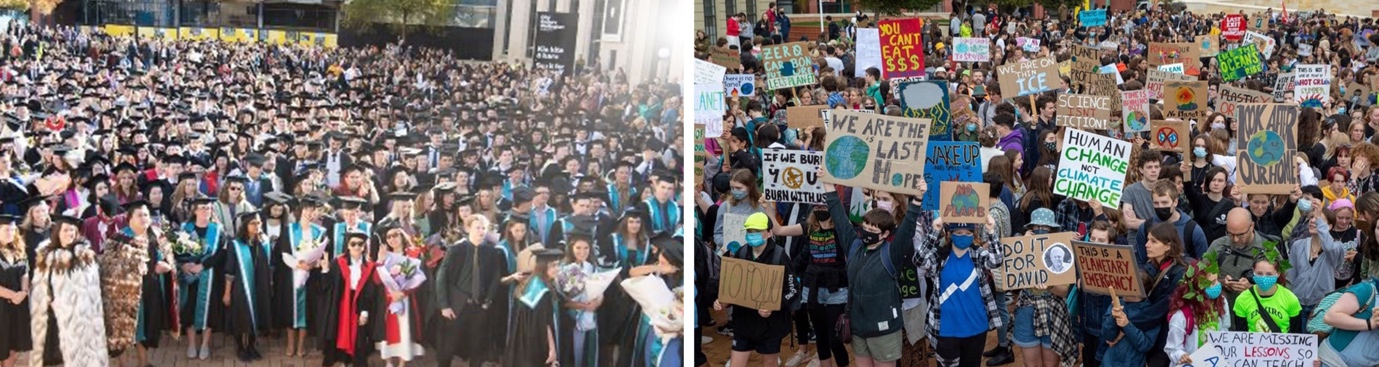
When I look at the new Civic Square, I worry that it has lost some of its importance at this moment in our world: a place where individuals can gather as a group and march to Parliament, and where students can celebrate their achievements and graduation. Have we taken away the democratic heart of our city, only to turn it into a footpath in front of a 10-storey Precinct Properties corporate building?
FROM THE COMMENT PAGES:
I would also like to thank wellington.scoop.co.nz, The Post, RNZ’s The Panel, and The Breeze for helping bring public attention to the Civic Square. I also appreciate the many people who have shared their views, whether in support of open public space or from a different perspective, through comment pages and radio discussions.
One comment suggested that building cranes are a sign of a healthy city, because they bring new construction, new jobs, new apartments, and visible signs of growth. I agree with that. Wellington should be growing, strengthening, and building for the future. But that does not mean public civic land should be used for that purpose. A stronger city can have growth and development while still protecting the Civic Square as open public space. Here is a different thought, but with the same goal.
Within one block of Civic Square and the open space we would like to see become a park, there are several nearby streets, including Willis Street, Manners Street, and Mercer Street. In those surrounding blocks, are several privately owned properties that are less than three storeys tall. On Willis Street there’s a two-storey and a single-storey commercial building that are both zoned for more than 20 storeys. If companies like Precinct Properties want to build high-rise offices or apartments, they could have a building more than twice the size of what they’re allowed to build in the Civic Square.
That would still provide construction, jobs, housing, and city growth, while preserving Civic Square as open public space. A building on a nearby private site could still benefit from views across Civic Square and from being close to a beautiful grass park that the public owns and can enjoy. It would also avoid the need to lease public civic land from the city for 100 years, because the developer would own the private property outright and could hold it for as long as they choose.
Council should consider tax incentives, rating tools, or planning mechanisms to encourage suitable low-rise, underused, and earthquake-prone private buildings in the CBD to be redeveloped into taller buildings with new apartments, offices, and jobs. That would support city growth while letting our public civic land be used for the public.
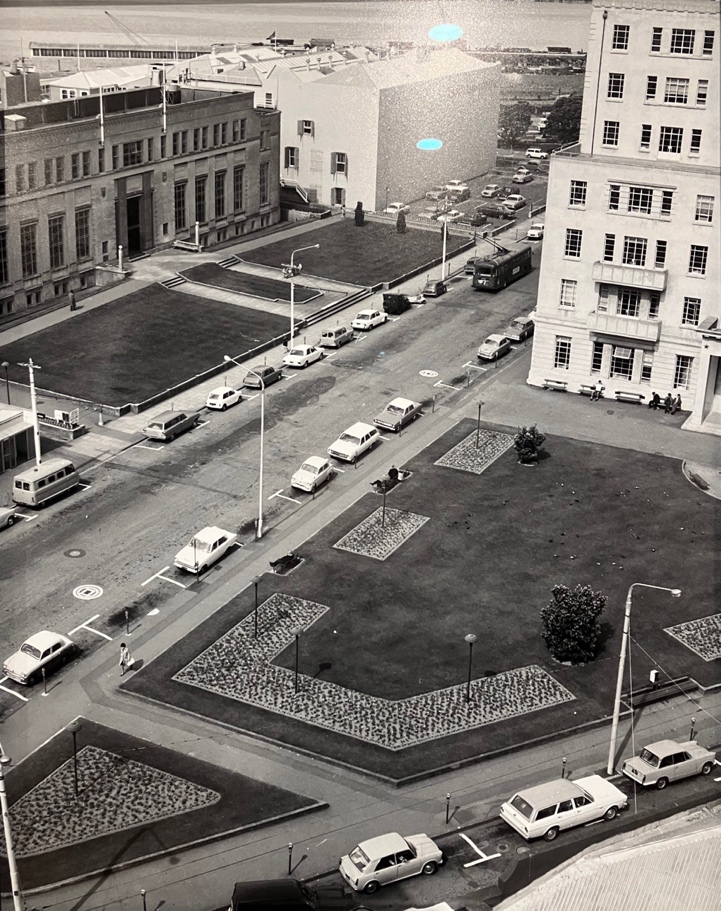
Another comment suggested that because there was once a building on the site, there should be no objection to putting another building there again. I understand that argument. But this historical photo reminds us that the Civic Square and the surrounding area once had much more open green space. The issue is not only what was there in the past. The issue is what Wellington needs now. In a growing and increasingly dense city, public open space should be protected, not reduced further.
In my earlier open letter to Mayor Andrew Little, I wrote that Council should not measure Civic Square only by what a developer might pay to build on it, but by what retaining open public space could give back to Wellingtonians every day for the next 100 years.
The Civic Square has already lost too much open space, and the land beside it gives Council an opportunity to return that space to the public. Please pause the temporary food-court-style proposal and give Wellingtonians a simpler option: using the land beside Civic Square as open green public space that remains publicly owned and can be enjoyed by everyone. In five years, Council can return to Wellingtonians and ask whether they really want this public land leased for a private building.
Yours sincerely,
Y Bjors
saveourcivicsquare.org